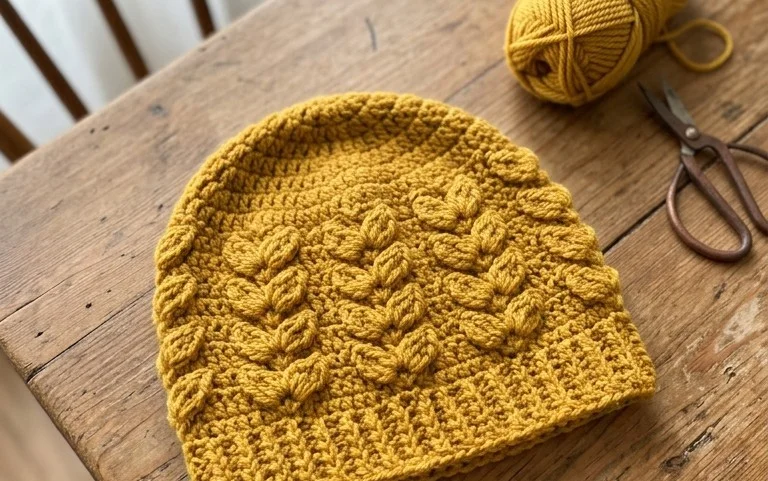
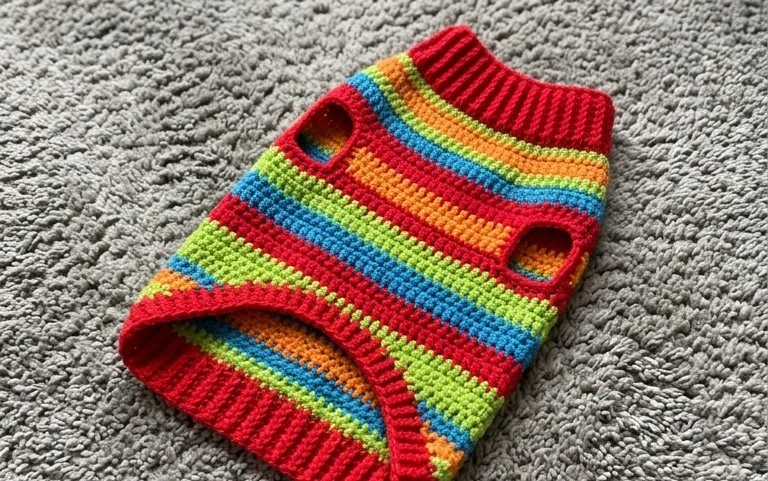
Easy Spring Girls Crochet Hat Free Pattern for Beginners
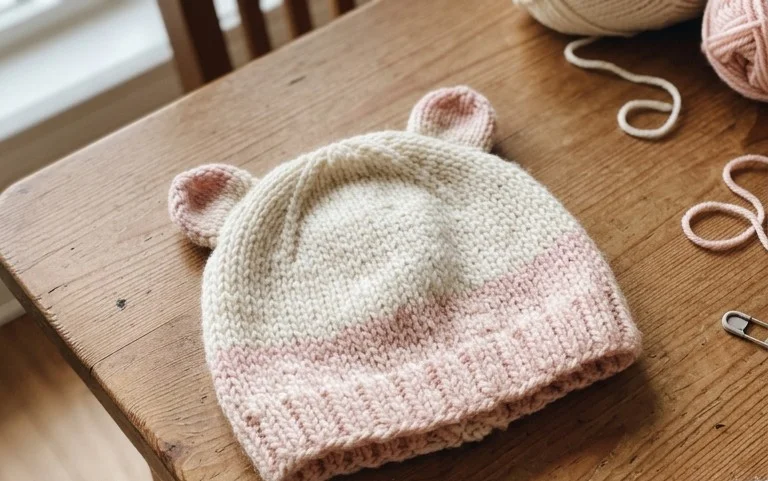
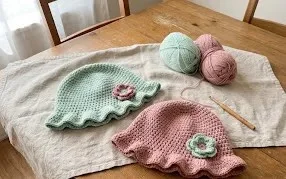
A lightweight crochet hat adds a soft layer on cool spring mornings, and its rounded shape makes a sweet finish for a girl’s everyday outfit. The finished fabric feels comfortable against the head while keeping the hat light enough for changing weather. This project suits beginners who want to practice working in rounds, as well as gift makers looking for a handmade piece that is useful and personal. Home decor lovers who enjoy making practical accessories can enjoy the steady rhythm of the stitches, too. You’ll learn how to build the crown with simple increases and keep the sides even as the hat takes shape. Take your time checking stitch counts, and you’ll have a satisfying project with a polished, wearable result.
Why You’ll Love This Pattern
A square of worsted cotton makes a practical dishcloth with a firm, slightly textured surface. This beginner-friendly pattern uses single crochet throughout, so you can focus on even tension and straight edges instead of learning several new stitches.
The 30-stitch width and 30-row height are easy to track, and the cloth works well with one ball of cotton yarn. It is a useful project for practicing consistent stitches, making a quick handmade gift, or using leftover cotton in a solid color.
I made this in an afternoon, and the simple rows helped me keep my edges straight. It washed well and is a handy size by the sink.
— Maya, home crocheter
Pattern Overview & Skill Level
- Skill Level: Beginner. You need to chain and make single crochet stitches.
- Approximate Time: 2–3 hours, depending on your pace and how often you stop to check your stitch count.
- Construction: The dishcloth is worked flat in back-and-forth rows, then finished by fastening off and weaving in the yarn ends. There is no separate border.
- Finished Dimensions & Sizing: About 8 × 8 in (20 × 20 cm) with the stated yarn, hook, and gauge. Cotton and individual tension vary, so use the gauge swatch to check your size.
Materials & Supplies Needed
- Yarn: About 100 yd (91 m) of worsted-weight cotton yarn, #4, in one color. A solid or lightly variegated shade makes it easier to see your stitches.
- Hook: 5.0 mm / H-8 crochet hook.
- Notions: Tapestry needle for weaving in ends, scissors, and a ruler or tape measure for checking gauge.
- Substitutions: Choose a smooth, absorbent cotton yarn of similar thickness. A cotton-linen blend can make a slightly firmer cloth; acrylic is less absorbent and may feel different in use. Thicker or thinner yarn changes the finished size and may require a different hook and more or less yardage. Check your gauge before starting.
Gauge: 16 single crochet stitches and 18 rows measure 4 in (10 cm) in the pattern fabric after washing and drying. If your swatch is wider than 4 in, try a smaller hook. If it is narrower, try a larger hook. Wash the swatch as you plan to wash the finished cloth before measuring.
Stitch Guide & Abbreviations (US Terms)
- ch: chain.
- sc: single crochet. Insert the hook into the stitch, yarn over and draw up a loop, yarn over again, then draw through both loops on the hook.
- st: stitch.
- sts: stitches.
- rep: repeat.
The turning chain does not count as a stitch in this pattern. Work the first single crochet of each row into the first stitch, immediately beside the turning chain. This keeps the stitch count at 30.
Step-by-Step Pattern Instructions
Dishcloth
Make a foundation chain that is loose enough to stretch slightly without curling. Count the chain before you begin the first row. If you tend to chain tightly, use a hook one size larger just for the foundation chain, then change to the 5.0 mm hook.
- Row 1: Ch 31. Sc in the second ch from the hook and in each ch across. Turn. (30 sts)
- Row 2: Ch 1, sc in each st across. Turn. (30 sts)
- Rows 3–10: Rep Row 2 for each row. Turn after every row. (30 sts each row)
- Rows 11–20: Rep Row 2 for each row. Turn after every row. (30 sts each row)
- Rows 21–30: Rep Row 2 for each row. Turn after every row. (30 sts each row)
After Row 30, measure the cloth. It should be close to 8 in (20 cm) square. If it is a little longer or shorter, that is fine for a dishcloth; for a more exact square, add or remove rows while keeping 30 stitches across. Fasten off, leaving a yarn tail of about 6 in (15 cm). Thread the tail onto a tapestry needle and weave it through several stitches on the wrong side. Weave in the starting tail the same way, changing direction once so it is less likely to work loose.
Care & Washing Instructions
- For cotton yarn, machine wash with like colors at a cool or warm temperature, up to 40°C (104°F); follow the yarn label if it gives different instructions.
- Reshape the cloth and dry it flat, or tumble dry on low only if the yarn label allows it.
- Lay it flat and smooth the corners while damp; use light blocking only if the edges need reshaping.
Pro Tips & Common Mistakes to Avoid
- Keep the tension steady: Make the foundation chain a little looser than your ordinary stitches. A tight chain can pull the lower edge inward even when the rows above it are even.
- Count each row: Check for 30 stitches before turning. The last stitch can be easy to miss, especially when it sits beside the turning chain. A removable stitch marker in the first stitch can help you spot the row edge.
- Hide yarn tails securely: Weave each tail through the backs of several stitches, then change direction and pass through a few more. Avoid pulling so tightly that the cloth puckers.
- Adjust the size deliberately: To make a wider cloth, add chains to the foundation and work one single crochet into each chain. To make it longer, add rows. Larger dimensions use more yarn, so have an extra amount available if you increase both width and length.
Frequently Asked Questions
Can I use a different yarn instead of cotton?
Yes, but cotton is absorbent and suits a dishcloth well. A cotton blend can also work. Acrylic is less absorbent, and textured yarn can make it harder to see or scrub with the stitches. Check the label and make a small swatch before committing to the full cloth.
How can I make the dishcloth larger or smaller?
Change the starting chain to adjust the width, then work the same number of single crochet stitches across each row. Add or remove rows to change the length. Keep the edges straight by checking your stitch count each time. A larger cloth needs more yarn.
Is this pattern suitable for a first crochet project?
Yes. It uses only chains and single crochet stitches worked in flat rows. The most common beginner difficulty is losing a stitch at the edge, so count 30 stitches after every row until the shape feels familiar.
May I sell dishcloths made from this pattern?
Check the designer’s terms before selling finished items, and follow any limits or attribution requests they specify. If you sell the cloth, describe the yarn fiber accurately and include its washing instructions for the buyer.
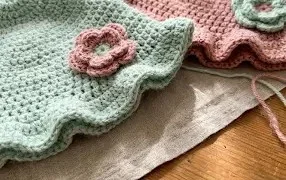
Finishing this little hat is a lovely way to turn a few balls of yarn and some quiet making time into a useful spring accessory. The rounded crown and neat edge give it a comfortable look, and the repeated rounds make it rewarding to watch the shape develop. For a simple variation, choose a soft pastel shade instead of the original color to give the hat a fresh spring feel. When your project is finished, share a photo on Pinterest or your favorite social media account so other crocheters can see how yours turned out. Then browse the blog for more free patterns, from quick handmade gifts to practical projects you can enjoy making at home.