37 Creative Granny Square Patterns: Free Step-by-Step Guide
Soft cotton yarn loops create a thick, ribbed surface that pulls water away from wet countertops better than thin store-bought options. This square design relies on a simple stitch count that feels rhythmic in your hands, which makes it a calm activity for quiet evenings at home. Beginners find this project manageable because it avoids complex shaping or difficult color changes, while experienced makers appreciate the speed of finishing a set in one afternoon. You will learn how to create a sturdy fabric that withstands hot pans and frequent washing cycles without losing its original shape or soft hand-feel.
Why You’ll Love This Pattern
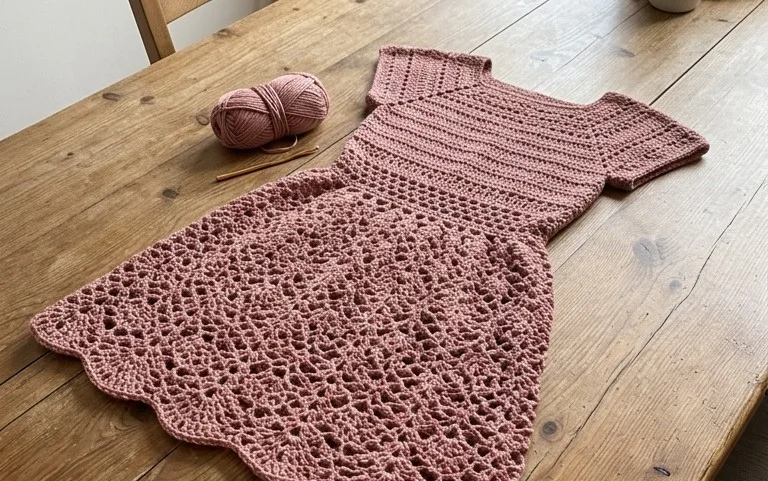
The Classic Crochet Dishcloth provides a satisfyingly dense texture that scrubs surfaces effectively while remaining soft enough for delicate glassware. Because this project relies on a simple stitch repetition, it serves as an excellent meditative practice for evening crafting sessions. You can complete a single cloth in under an hour, making it a functional item that works well as a handmade gift or a quick kitchen staple. Its square construction ensures a consistent shape that holds up under frequent heavy-duty laundering.
I finished these in just one afternoon and the texture is much better than store-bought options for scrubbing dishes. The pattern is very straightforward and I appreciate that it uses very little yarn.
— Sarah, home crafter
Pattern Overview & Skill Level
- Skill Level: Beginner
- Approximate Time: 45 to 60 minutes
- Construction: Worked in flat rows using a basic square format
- Finished Dimensions: 8 inches by 8 inches
Materials & Supplies Needed
- Yarn: Worsted #4 weight, 100% cotton yarn, approximately 50 yards per cloth. Cotton is essential for absorbency and heat resistance in kitchen environments.
- Hook Size: 5.0 mm / H-8
- Notions: Tapestry needle for weaving in ends, scissors.
- Safe yarn substitutions: Any medium-weight cotton-linen blend will maintain the required gauge and texture. Avoid acrylic yarns, as they do not absorb water effectively and may melt if placed against hot pans.
Stitch Guide & Abbreviations (US Terms)
- ch = chain
- sc = single crochet
- dc = double crochet
- st = stitch
- sk = skip
- yo = yarn over
Special Stitch: The Moss Stitch is used here. It consists of alternating single crochet stitches and chains to create a dense, woven-like fabric that is both sturdy and flexible.
Step-by-Step Pattern Instructions
Foundation and Main Body
- Row 1: Ch 32. Sc in 4th ch from hook, ch 1, sk 1 ch, sc in next ch. Repeat from * to * across until 2 ch remain, sk 1 ch, dc in last ch. Turn. (16 sc, 15 ch-1 spaces)
- Row 2: Ch 2, sc in first ch-1 space, ch 1, sk 1 sc, sc in next ch-1 space. Repeat across to the turning chain space, sc in turning ch-2 space. Turn. (16 sc, 15 ch-1 spaces)
- Rows 3-30: Repeat Row 2 until the piece measures 8 inches in height.
Finishing
Once you reach the desired length, fasten off the yarn by pulling the tail through the final loop. Use a tapestry needle to weave the yarn ends back through the interior of the stitches to secure them invisibly. Ensure you pull the ends tight enough to lock the final stitch in place before trimming the excess yarn close to the surface.
Care & Washing Instructions
- Machine wash on a warm, gentle cycle to remove oils and food residue.
- Tumble dry on low heat or lay flat on a drying rack to prevent the cotton from shrinking.
- If the cloth loses its shape after drying, pull the corners gently while slightly damp to restore the original square dimensions.
Pro Tips & Common Mistakes to Avoid
Consistent tension is the most important factor for an even dishcloth; if your hands feel tight, take a short break to prevent the fabric from puckering. Always place a stitch marker at the start of your row to track your progress, especially if you are prone to dropping stitches at the edges. Weave your ends in for at least one inch in both directions to ensure they do not unravel after repeated scrubbing. You can adjust the size by chaining an even number of stitches initially; adding or subtracting four chains will change the width of the cloth by approximately one inch without requiring changes to the stitch pattern.
Frequently Asked Questions
Can I use a larger hook for this pattern?
Using a larger hook will make the fabric looser and less effective at scrubbing, but it will work up faster. If you change your hook size, ensure you are still satisfied with the drape and density of the cloth.
Is this pattern suitable for complete beginners?
Yes, this is an ideal project for those learning the basic structure of turning rows and maintaining straight edges. It only requires knowledge of basic chain, single crochet, and double crochet stitches.
What happens if I make the cloth too small?
If your chain count was too low, the cloth will be more like a coaster. You can easily add more rows to increase length, but the width must be determined by your starting chain count.
May I sell the dishcloths I make from this pattern?
You are welcome to sell physical items made from this design. I request that you credit the pattern source if listing them in an online shop to support the work involved in the design process.
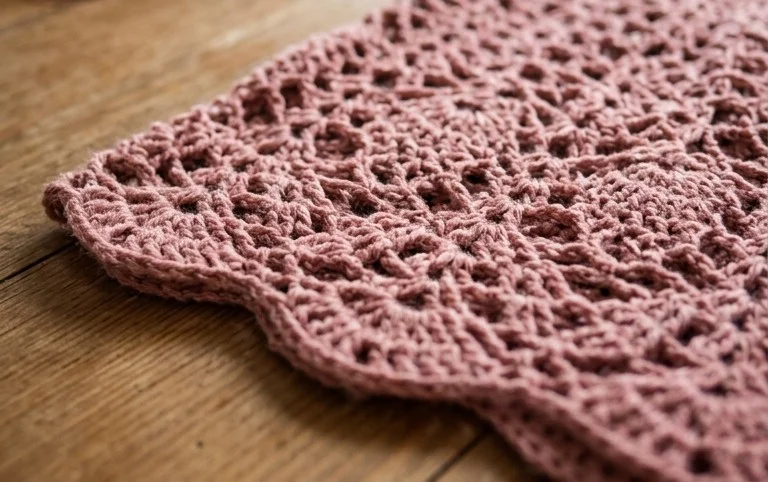
A stack of these fresh squares adds a practical and handmade touch to any kitchen setup. You might try alternating colors every two rows to create a bold striped effect or adding a decorative border with a contrasting thread if you want a more finished look. Seeing your finished work brings a sense of accomplishment, so please upload a photo of your progress to your favorite community space to inspire others. Browsing through the rest of the blog reveals many more patterns for simple home goods that build your skills one stitch at a time.