Easy Northern Diamond Square: Free Crochet Pattern
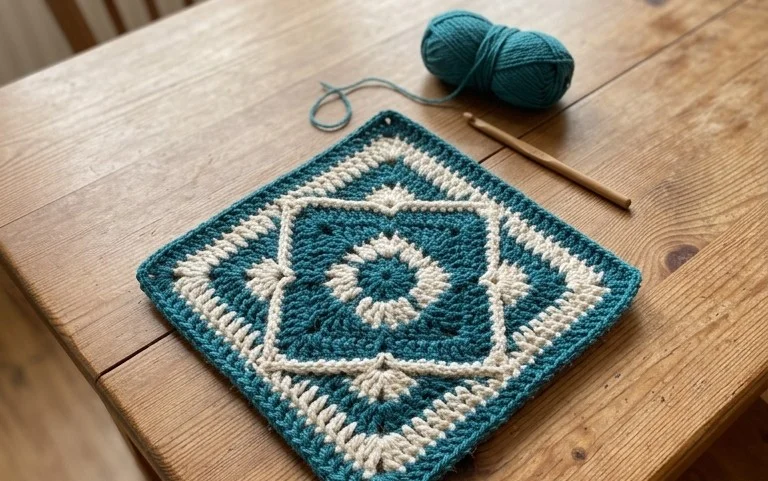
Cotton yarn loops through your hook to create the dense, slightly scrubby texture that defines the Northern Diamond Square. This dishcloth feels substantial in your palm, offering enough grip to scour stubborn bits from a cast-iron pan while remaining soft enough to handle glassware without a scratch. Whether you keep a stack in your kitchen drawer for daily cleanup or bundle a set as a thoughtful housewarming gift, this project feels satisfyingly productive. Beginners will appreciate how the simple stitch repeat builds confidence, while seasoned makers can enjoy the meditative, rhythmic motion that turns a single skein into functional art.
Why You’ll Love This Pattern
This classic crochet dishcloth is designed to strike the balance between scrubbing power and softness, using a combination of texture and absorbent cotton yarn. The pattern creates a dense, durable fabric that stands up to heavy daily use in the kitchen while remaining gentle enough for delicate glassware. Because it works up in less than an hour, it serves as an ideal project for using up partial skeins of yarn remaining from larger blanket or garment projects. The rhythmic, repetitive stitch pattern provides a relaxing experience that allows you to work without constantly tracking complex increases or decreases.
I managed to finish three of these over the weekend while watching television. They hold their shape perfectly even after being through the washing machine multiple times.
— Sarah, home crafter
Pattern Overview & Skill Level
- Skill Level: Beginner
- Approximate Time: 45 to 60 minutes per cloth
- Construction: Worked in flat rows using a simple stitch repeat
- Finished Dimensions: 8 inches by 8 inches
Materials & Supplies Needed
- Yarn: Worsted weight (#4) 100% cotton yarn, approximately 60 yards per dishcloth.
- Hook Size: 5.0 mm (US H-8).
- Notions: Tapestry needle for weaving in ends, sharp scissors.
- Yarn Substitutions: Choose a plant-based fiber like cotton or linen for maximum absorbency. Acrylic yarn is not recommended for this project as it lacks the necessary absorbency for kitchen tasks.
Stitch Guide & Abbreviations (US Terms)
- ch: chain
- sc: single crochet
- dc: double crochet
- st/sts: stitch/stitches
- sl st: slip stitch
- Moss Stitch: A combination of single crochet and chain stitches where the single crochet is worked into the chain space of the previous row.
Step-by-Step Pattern Instructions
Dishcloth Body
- Row 1: Ch 32. Sc in the 4th ch from the hook. *Ch 1, skip 1 ch, sc in the next ch. Repeat from * across the row. (15 sc, 15 ch-1 spaces)
- Row 2: Ch 2, turn. Sc in the first ch-1 space. *Ch 1, skip the sc, sc in the next ch-1 space. Repeat from * across, ending with a sc in the turning ch space. (16 sc, 15 ch-1 spaces)
- Rows 3–30: Repeat Row 2 until the piece measures 8 inches in height.
Border and Finishing
Once you have reached the desired size, do not fasten off. Work one round of single crochet evenly around all four sides of the dishcloth to create a clean, finished edge. Place 3 sc in each corner to ensure the cloth lays flat without curling. Once you reach the beginning of the round, join with a sl st to the first sc, fasten off, and weave in your ends securely using a tapestry needle.
Care & Washing Instructions
- Machine wash in warm water on a gentle cycle to keep the cotton fibers clean and sanitized.
- Lay the dishcloth flat on a clean towel to air dry, which helps maintain the original square dimensions.
- If the cloth loses its shape after drying, dampen it slightly and pull the corners to square it up before letting it air dry again.
Pro Tips & Common Mistakes to Avoid
Maintaining consistent tension is the most important factor in ensuring your dishcloth is square; try to keep your chain spaces slightly loose so the next row of single crochet is easy to insert. Always use a stitch marker at the beginning of your rows if you find yourself accidentally skipping the final stitch, as this is the most common cause of “triangular” dishcloths. Weave your yarn ends in by running the tail through the base of the stitches in two different directions, which prevents them from unraveling during frequent wash cycles. If you wish to make a larger version, simply increase your starting chain to any odd number, though keep in mind that larger cloths will require significantly more yardage.
Frequently Asked Questions
Can I use a different weight of yarn for this project?
You can use DK or bulky weight yarn, but you will need to adjust your starting chain and row count to reach your desired 8-inch size. Using a different weight will also change the absorbency and texture of the final cloth.
Is it okay to sell the items I make from this pattern?
You are welcome to sell finished items made from this pattern, provided you give design credit to the creator. Please ensure you use your own photographs when listing the items for sale.
Why are the edges of my dishcloth curling?
Curling usually happens if your tension is too tight or if you have missed stitches at the end of your rows. Ensure you are working into the final chain-space at the end of each row to keep the edges straight.
What is the benefit of the moss stitch for dishcloths?
The moss stitch creates a dense, squishy fabric that traps water and soap effectively. It is much more durable than simple double crochet fabric, which can become flimsy and lose its shape when wet.
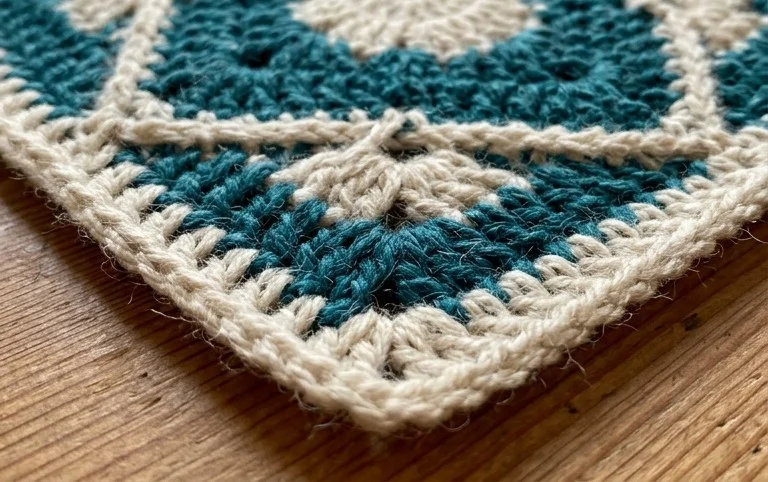
Your finished square now holds a firm, geometric shape that feels ready for any kitchen chore. If you prefer a larger size for drying counters, simply increase the starting chain by multiples of four and continue the pattern until you reach your desired length. Swapping the cotton for a variegated yarn creates a unique, marbled look that hides stains exceptionally well over time. Once your dishcloth is ready for duty, consider snapping a quick photo to share with your fellow makers online. You can find more free patterns in our library to keep your hooks busy throughout the month.