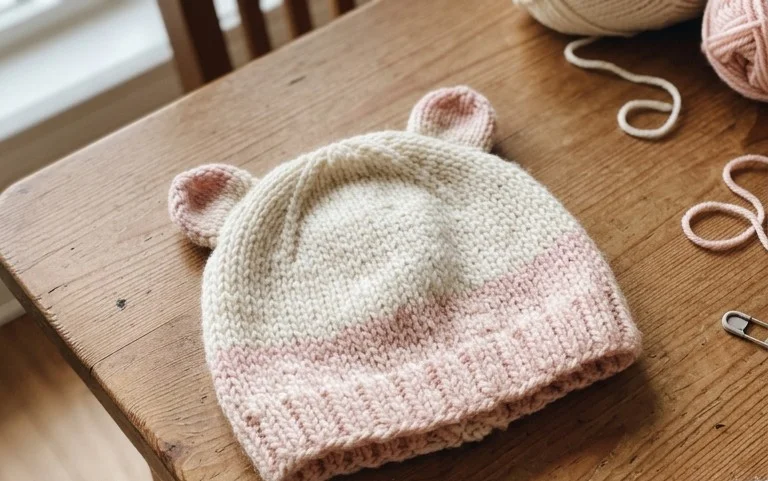
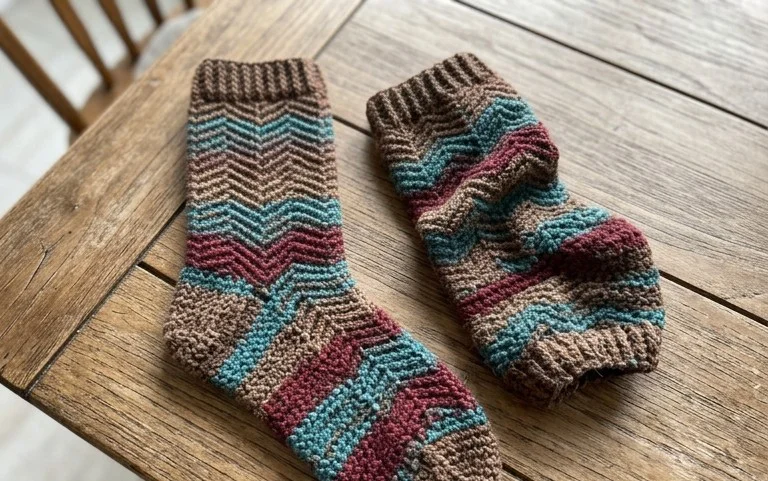
The Herringstone Cowl: Free Beginner Crochet Pattern
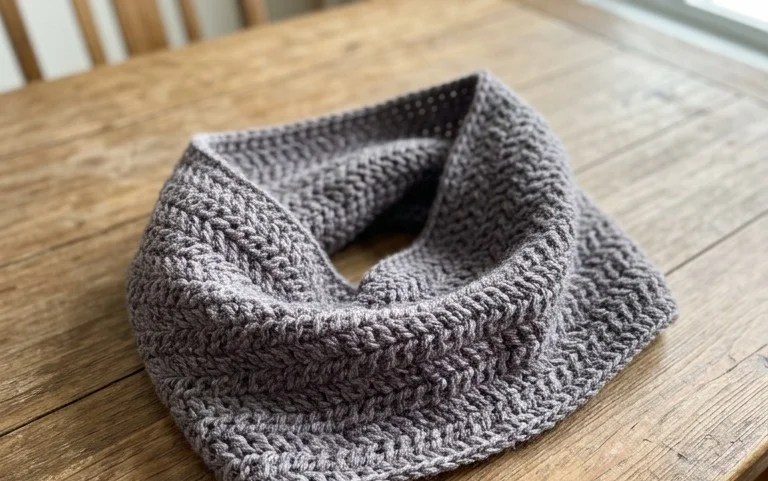
A warm neck accessory offers comfort during chilly mornings, and this version uses a soft, squishy yarn that holds its shape well throughout the day. It features a dense, rhythmic stitch pattern that creates a subtle texture reminiscent of stone masonry. You will find this project highly satisfying because it grows quickly, providing an instant reward for your efforts. Even if you are new to working with multiple stitches, the repeat sequence becomes second nature after only a few rows. This article walks you through every stage, from selecting your materials to finishing the edges with a clean, professional look.
Why This Project Is Worth Making
The Classic Crochet Granny Square is the fundamental building block for countless blankets, cardigans, and home decor items. This pattern focuses on the traditional three-double-crochet cluster design, which provides a balanced texture that is neither too dense nor too loose. You will find this pattern exceptionally quick to work up, making it ideal for utilizing leftover yarn scraps from previous projects. Because the square grows outward from the center, you can easily stop at any size to create everything from drink coasters to large throw pillows. Its rhythmic, repetitive nature makes it the perfect portable project to carry in a small project bag for casual crafting sessions.
I have made dozens of these squares for a scrap-yarn blanket, and the instructions are so clear that I memorized the round sequence after just three squares.
— Sarah, hobbyist crocheter
Pattern Overview & Skill Level
- Skill Level: Beginner
- Approximate Time: 30-45 minutes per square
- Construction: Working in joined rounds from the center outward
- Finished Dimensions: Approximately 6 inches by 6 inches using medium weight yarn and a 5.0 mm hook
Materials & Supplies Needed
- Yarn: Worsted weight (#4), 100% acrylic or wool blend, approximately 20 yards per square.
- Hook Size: 5.0 mm (US H-8).
- Notions: Tapestry needle for weaving in ends, scissors, and optional locking stitch markers to keep track of the corner spaces.
- Safe yarn substitutions: You can use DK weight yarn with a 4.0 mm hook for a smaller, tighter square, or bulky weight yarn with a 6.0 mm hook for a larger, quicker square. Adjusting your yarn weight will change the final size of the square.
Stitch Guide & Abbreviations (US Terms)
- ch: Chain
- dc: Double crochet
- sl st: Slip stitch
- sp: Space
- st: Stitch
- Cluster: A set of 3 double crochet stitches worked into the same space.
- Corner: Ch 2 between clusters to create the 90-degree turn.
Step-by-Step Pattern Instructions
Center and Rounds
- Foundation: Ch 4 and join with a sl st to the first chain to form a ring.
- Rnd 1: Ch 3 (counts as first dc), work 2 dc into the center ring, ch 2, *3 dc into ring, ch 2; repeat from * two more times. Join with a sl st to the top of the beginning ch 3. (12 sts, 4 corner spaces)
- Rnd 2: Sl st into the next dc and into the corner ch-2 space. Ch 3, 2 dc, ch 2, 3 dc all in the same corner space. *Ch 1, (3 dc, ch 2, 3 dc) in next corner space; repeat from * two more times. Ch 1, join with a sl st to the top of the beginning ch 3. (24 sts, 4 corner spaces, 4 side spaces)
- Rnd 3: Sl st into the next dc and into the corner ch-2 space. Ch 3, 2 dc, ch 2, 3 dc in same corner space. *Ch 1, 3 dc in next ch-1 side space, ch 1, (3 dc, ch 2, 3 dc) in corner space; repeat from * two more times. Ch 1, 3 dc in next ch-1 side space, ch 1, join with a sl st to the top of the beginning ch 3. (36 sts, 4 corner spaces, 8 side spaces)
Finishing
Cut the yarn, leaving a six-inch tail. Pull the yarn tail through the final loop on your hook. Thread the tail onto a tapestry needle and weave it through the back loops of the stitches on the reverse side of the square to secure it. Repeat for the starting tail at the center ring.
Care & Washing Instructions
- Hand wash your finished items in cool water with a mild detergent to prevent fiber distortion.
- Lay the squares flat on a clean towel and reshape them while damp to ensure perfectly square corners.
- Avoid using a tumble dryer, as high heat can shrink or melt acrylic fibers and felt wool fibers.
Pro Tips & Common Mistakes to Avoid
Maintain consistent tension throughout the square by ensuring your fingers are positioned comfortably to feed the yarn. If your squares start to curl, you are likely working your stitches too tightly; try moving up a hook size. Always place a stitch marker in your starting ch-3 space to ensure you do not miss the join at the end of each round. If you decide to make your square larger, remember that adding more rounds will increase the amount of yarn required exponentially, so ensure you have enough of the same dye lot if matching multiple squares.
Frequently Asked Questions
Can I substitute the yarn weight for this pattern?
Yes, you can use any yarn weight. Just ensure you use a hook size appropriate for that yarn, typically suggested on the yarn label. Note that changing the weight will significantly alter the finished size of your square.
Is this pattern suitable for complete beginners?
This pattern is excellent for beginners because it only requires chains, double crochets, and slip stitches. It teaches the vital skill of working in rounds and identifying corner spaces.
How do I join these squares together?
There are several methods, such as the single crochet join, the mattress stitch, or slip-stitching through the back loops only. The mattress stitch provides the flattest, most invisible seam.
Am I allowed to sell items made from this pattern?
As this is a standard, traditional crochet design, you are free to sell items you create. Always check the specific terms of the designer if you are using a unique or modified version of this pattern.
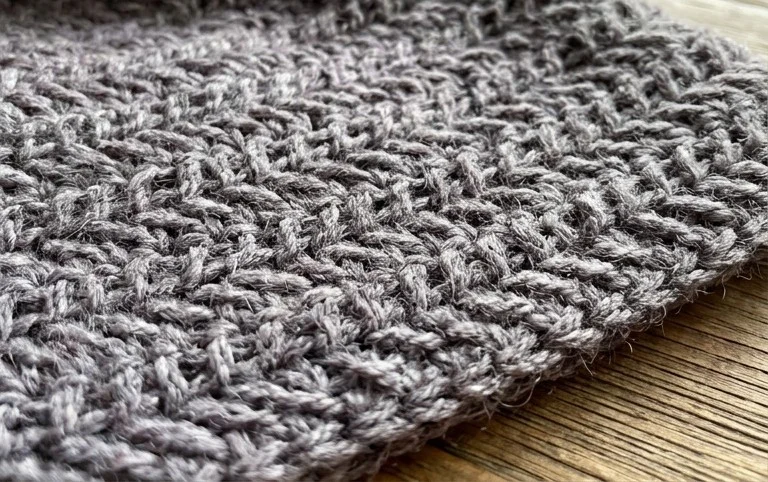
Your finished cowl will feel light yet substantial enough to provide real warmth during the deepest winter months. If you decide to make a second version, try using a variegated yarn to highlight the direction of the stitches or adjust your starting chain to create a longer, double-loop style. Posting a photo of your work on social media helps other makers find inspiration for their own color choices. Please browse the rest of the blog for more free patterns to keep your hands busy during your next quiet evening at home.